How Dental Implants Slow Down and Prevent Bone Loss
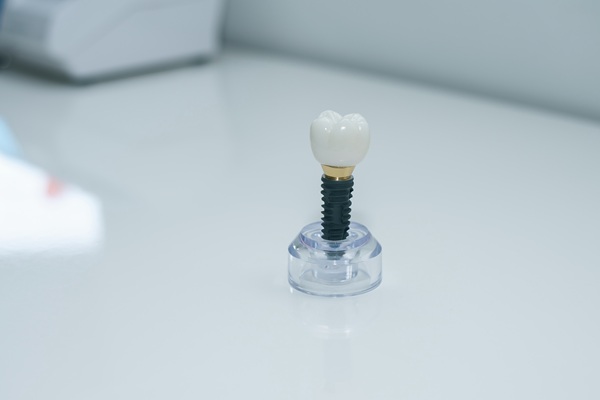
A dental implant provides a stable base for a natural-looking tooth replacement. This proactive solution fills gaps in the smile and maintains a healthy jaw. Respectively, the bite remains aligned, preserving the natural shape of the face. Thanks to dental implants, patients can enjoy a stable and beautiful smile that lasts.
What is the connection between tooth loss and jawbone loss?
The most noticeable impact of a missing tooth is a gap in the smile. It is important to note, however, that this gap can set the stage for problems beyond appearance. Each tooth helps keep the jawbone strong by sending tiny signals through the roots when chewing and biting. Without that stimulation, the bone in that area starts to shrink — a process that often begins within the first year after the tooth is gone. Over time, the jaw can lose both height and density.
General and family dentists can monitor these changes during routine checkups. For eligible patients, they may recommend a dental implant to replace the missing tooth root. A dental crown, bridge, or permanent denture is then placed on top of the implant to replace missing teeth completely. Thus, not only does the implant restore the smile, but it has the added benefit of maintaining the natural shape and strength of the jaw.
How dental implants stimulate bone growth
A general or family dentist will place a dental implant directly into the jawbone. This initiates osseointegration, a process in which the implant fuses with the bone, allowing it to act as an artificial tooth root. Then, once healed, the implant provides the same stimulation as a natural tooth root every time the patient chews.
Preventing facial changes and other complications
Losing a tooth leaves a hole in the smile and can gradually change the shape of the face. As the jawbone begins to shrink in the area where a tooth is missing, the cheeks and mouth may appear sunken or drawn. Over time, this can make the lower face appear shorter and older than it really is. Usually, it also affects speech and comfort while eating.
Placing a dental implant soon after losing the tooth can help maintain the jawbone's strength and, in turn, preserve the natural shape of the face. A dentist can discuss the best timeline for replacing a tooth with an implant, generally recommending the patient wait three to six months after losing a tooth. This timeline is to ensure the bone is healthy enough to accept the implant.
Other benefits of dental implants
The benefits of dental implants extend beyond jawbone preservation. Dental implants help maintain the natural spacing of the teeth and support a balanced bite, thereby reducing the risk of future misalignment and unnecessary wear. This can prevent the need for orthodontic treatment and future restorative dental work.
With proper care, dental implants can last for decades, offering both strength and aesthetic appeal. Their ability to prevent bone loss makes them one of the most effective tooth replacement options in restorative dentistry. A general or family dentist often includes implants in comprehensive plans designed to support lasting oral health across all life stages.
Support your smile and jaw health with dental implants
Whether you need to replace one tooth or all of your teeth, dental implants may be the best treatment option. They not only fill gaps in the smile but also preserve the underlying jawbone. To learn more, schedule an appointment with our West Melbourne team.
Request an appointment here: https://www.capesidefamilydentistry.com or call Capeside Dental at (321) 499-2995 for an appointment in our West Melbourne office.
Check out what others are saying about our dental services on Yelp: Dental Implants in West Melbourne, FL.
Related Posts
Periodontics care is specialized dental care for treating and preventing periodontal disease from reappearing. Scaling and root planing may be performed on patients with periodontal disease to eliminate bacterial plaque and other toxins. Gum disease-causing bacteria can reappear three to four months after initial treatment. As a result, the dentist will recommend coming for cleanings…
Choosing between a dental crown and a filling depends on the extent of damage and the tooth's strength. A crown offers superior coverage by restoring the entire visible portion of a tooth. At the same time, fillings address smaller areas by sealing decay with materials such as resin composite, amalgam, or porcelain. No matter your…
Children need good dental care in order to establish a strong foundation of oral health that they can carry into adulthood, and a kid friendly dentist is a great way to start them with a positive impression while simultaneously providing comprehensive, high-quality dental care. If it is time for your child to visit the dentist,…
A kid-friendly dentist plays a vital role in establishing a child’s long-term dental health. By creating a welcoming and supportive environment, a kid-friendly dentist ensures that children feel safe and comfortable during dental visits. This approach not only helps young patients maintain healthy teeth and gums but also fosters positive attitudes toward oral health care.…