Dental Restoration 101: Should I Get a Dental Crown or Filling?
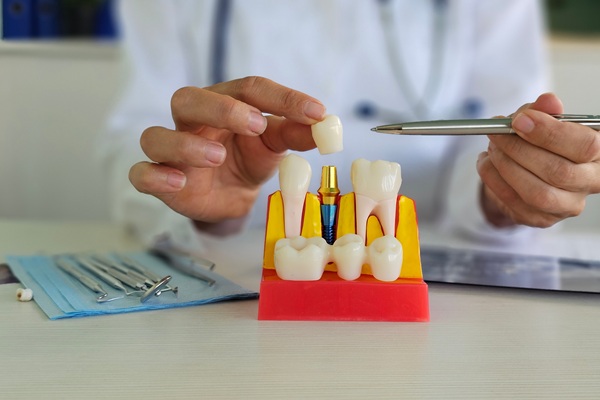
Choosing between a dental crown and a filling depends on the extent of damage and the tooth's strength. A crown offers superior coverage by restoring the entire visible portion of a tooth. At the same time, fillings address smaller areas by sealing decay with materials such as resin composite, amalgam, or porcelain. No matter your preference, both restoration options aim to preserve the health and appearance of your tooth.
Dental fillings vs. dental crowns
There are many ways to restore a smile. Dental professionals will likely recommend the most conservative approach that they believe will be effective for the tooth and the patient's preferences. In some cases, this is a filling to remove the decayed portion of the tooth and restore the structure. Meanwhile, at other times, a dental crown is best for the long-term health of the tooth.
When a dental filling is enough
Dental fillings work well for small to medium-sized cavities confined to one area. A dentist can use silver amalgam or tooth-colored resin composite as the filling material. The former material is known for its durability, while the latter is a modern option that blends with the rest of the patient's smile. With either type, this cavity treatment restores the tooth's shape and function without removing additional healthy tissue.
When a dental crown makes sense
A dental crown is the better choice when a tooth has extensive damage. This dental restoration covers and braces weakened walls, reducing the risk of new cracks or fractures during daily functions. By covering the entire surface of the tooth, a crown can improve the shade and shape of the tooth while restoring its strength and structure.
The dentist will work with the patient to determine whether a dental crown is the right decision for their needs. Common signs that they will need a dental crown over a filling include:
- More than one-third of the tooth needs to be repaired
- Cracks or fractures that threaten the tooth's stability
- History of root canal treatment on the tooth
- Large, failing fillings have created thin enamel walls
- Nighttime clenching or grinding has worn down the tooth
Ask the dentist about all the available restorative options and types of crowns during the initial consultation. Common types include porcelain, porcelain-fused-to-metal, metal alloys, and high-strength ceramics such as zirconia. Material selection depends on the location of the tooth, bite forces, and the patient's budget.
Is one choice easier to care for than the other?
Fortunately, both dental restorations are easy to take care of. With routine cleanings, daily brushing and flossing, and night guards for teeth grinding or clenching, both dental crowns and fillings can last for years. Make sure to schedule periodic checks with a trusted dentist to monitor the margins, which are where the edges of the tooth and restoration meet. Early refinements can prevent staining and recurrent decay.
Book a consultation at Capeside Dental today
Do you need a dental crown or filling? Schedule a consultation with the Capeside Dental team today to compare both options. Call our West Melbourne office today for more information about the restoration treatments we offer or to schedule an appointment.
Request an appointment here: https://www.capesidefamilydentistry.com or call Capeside Dental at (321) 499-2995 for an appointment in our West Melbourne office.
Check out what others are saying about our dental services on Yelp: Dental Crowns and Dental Bridges in West Melbourne, FL.
Related Posts
While dental implants can last a lifetime, the implant crown portion will eventually need replacement. When discussing this, it helps to understand the difference between an implant crown and a dental crown. Unlike a dental crown used to repair or reinforce a tooth, implant crowns are placed over the titanium implant post to serve as…
Dental bridge treatment offers an effective solution for replacing missing teeth, and in some situations, it may be a better choice than a dental implant. While both options restore appearance and function, the right recommendation depends on several factors, including oral health, treatment goals, and overall circumstances. A general dentist evaluates each patient's unique needs…
A dental filling is a common restorative treatment that protects a tooth from further decay. While recovering after the procedure is straightforward, one of the first questions patients ask is when they can safely resume eating. It is important to protect your smile and ensure the restoration cures without causing accidental injury. Understanding the timeline…
Whether you are scheduled for a dental procedure that requires sedation dentistry or are simply interested in learning more about it before your consultation visit, understanding what sedation dentistry is and the different types that are available is helpful. In essence, sedation dentistry is a way to minimize discomfort and help the patient relax during…